How to Craft a Detailed Résumé from Limited News Information
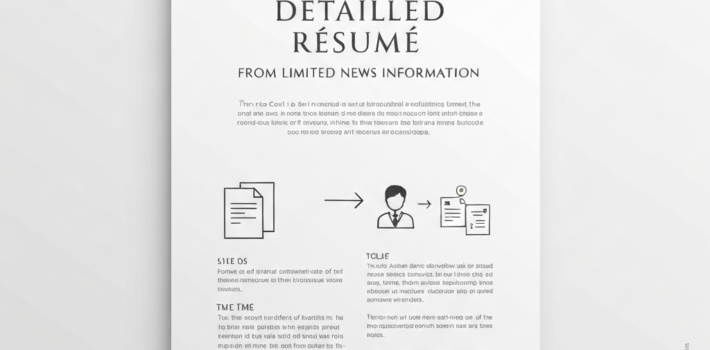
When working from incomplete news snippets or partial captions, creating a thorough résumé can feel like solving a puzzle with missing pieces. Recently, there was news highlighting a partnership event between BMI and LVMH, tied to an exclusive “Celebración de Arte” at Miami’s Design District during Art Basel. Yet, beyond the headline and image notes, the full story remains elusive. How then do you transform this into a detailed résumé that truly shines?
The Challenge of Limited Information
Crafting an accurate and engaging résumé requires more than just a headline or an event mention. Without specifics—such as the individuals’ roles, measurable achievements, or detailed accounts of the initiatives—the résumé risks being vague and uninspiring. Like any great storyteller, the key lies in knowing what essential details to seek.
Key Elements to Include
To build a meaningful summary, consider aiming to uncover the following:
- Specific initiatives or projects: What were the goals or signature accomplishments? What made this partnership unique?
- People involved: Who played integral roles? What were their contributions?
- Quantifiable results: Are there metrics or outcomes that highlight success?
- Context and setting: Details about the event location and significance add richness.
- Notable outcomes or future plans: Any implications for the future or follow-up collaborations?
Why Complete Details Matter
A comprehensive résumé isn’t just a list—it tells a story of impact and professionalism. When readers encounter a well-rounded summary, they gain insights into real accomplishments rather than just dates and event names. This makes the résumé compelling, credible, and ultimately memorable.
Practical Next Steps if You Only Have Partial Information
If you find yourself with only fragmentary data like a news headline or image caption, don’t rush the résumé writing process. Instead, consider the following:
- Request the full article or source materials: Reach out to contacts or utilize trustworthy news databases.
- Gather testimonials or interviews: Firsthand accounts can provide invaluable detail.
- Research the organizations involved: Explore previous collaborations or announcements to fill gaps.
- Note the event context: Associating the résumé with notable industry events can add prestige.
- Stay transparent: If you must work with limited information, clearly acknowledge it to maintain integrity.
Conclusion
While it’s tempting to jump into résumé writing from the few details at hand, taking the time to collect comprehensive information results in a narrative that truly resonates. When you have the full story—the people, projects, and measurable outcomes—you craft a résumé that speaks volumes about professionalism and achievement. If you have access to more comprehensive materials or specific highlights, you’ll be poised to create a résumé that is both informative and inspiring.
If you’re ready to develop a powerful résumé from detailed information or want expert tips on sourcing and storytelling, don’t hesitate to reach out or explore available resources to enhance your narrative today.


Leave a Comment