Federal Detention in Key Largo Sparks Outrage and Protest
On a Wednesday morning near Key Largo’s Pink Plaza, events unfolded that quickly captured public attention and stirred widespread concern. A viral video surfaced showing federal agents aggressively detaining a woman who repeatedly insisted, I’m a U.S. citizen. Despite her declarations, the woman was shackled and placed into an agency SUV before being released roughly ten minutes later.
The Incident Unfolded
The scene took place near Mile Marker 103.4, a typically calm stretch known for its scenic views. Reporter David Goodhue’s footage brings raw intensity to the moment, showing masked federal agents forcefully removing the woman from her red Toyota Corolla as she screamed protests of her citizenship status. The confrontation was swift but tense, leaving witnesses shocked and prompting immediate questions about procedure and justification.
Who Was Involved?
The operation entailed multiple federal agencies, including U.S. Customs and Border Protection (CBP), Immigration and Customs Enforcement (ICE), and Border Patrol. The Monroe County Sheriff’s Office confirmed their role was limited strictly to managing traffic and keeping peace—they did not participate directly in the detention. While CBP admitted to detaining the woman, they refrained from offering any further explanation. ICE, CBP, and the Department of Homeland Security chose to remain silent following the incident.
Community Reaction and Rising Tensions
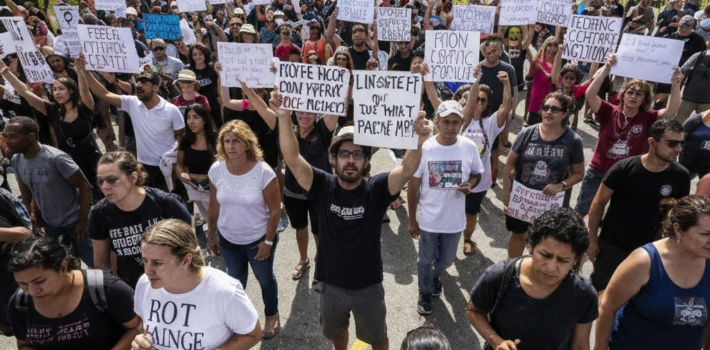
Such a public display of federal immigration enforcement in a tight-knit community immediately sparked outrage among local residents. Questions about accountability and the rights of citizens dominated conversations. The palpable tension translated into action quickly, with plans emerging for a protest at the Islamorada Public Library Branch the following day. This response underscores the broader unease surrounding immigration policies and enforcement tactics that impact everyday people.
Why This Matters
This brief but powerful episode reveals the complex dynamics at play between federal agencies and local communities, especially in regions like Monroe County with diverse populations and heightened awareness of immigration matters. Beyond the immediate facts—detention, release, and silence—lies the deeper challenge of ensuring transparency, respect for rights, and trust between enforcement officers and the public they serve.
Looking Forward
The Key Largo incident serves as a reminder of how sensitive and charged immigration enforcement can be. It also highlights the crucial role of public response and civic engagement in shaping how policies are carried out on the ground. As the community gears up for protests and demands answers, this moment calls on agencies to build bridges through openness and fairness.
If you live in the area or follow immigration issues closely, staying informed and participating in civic discussions can make a significant impact. Understanding your rights and knowing the facts is the first step toward meaningful change.
FAQ: Understanding the Key Largo Detention Incident
1. Was the woman confirmed to be a U.S. citizen?
The video shows her asserting her citizenship multiple times, but federal agencies have not released any official statements confirming her status.
2. Why did multiple agencies respond to the incident?
The involvement of several federal agencies suggests the situation was considered significant or related to immigration enforcement protocols, though exact reasons remain undisclosed.
3. What is the community doing in response?
Residents organized a protest at the Islamorada Public Library Branch, demonstrating their concerns and calling for transparency and accountability.
4. How can individuals stay informed about such incidents?
Following local news outlets, official agency announcements, and community organizations can provide timely updates and opportunities to participate in public discourse.
If you value transparency and dignity in public safety, consider engaging with your community’s initiatives and advocating for clear communication from enforcement agencies.


